


FEATURED TALK · TEDx DRESDEN 2018
Why robots need to make their own experiences
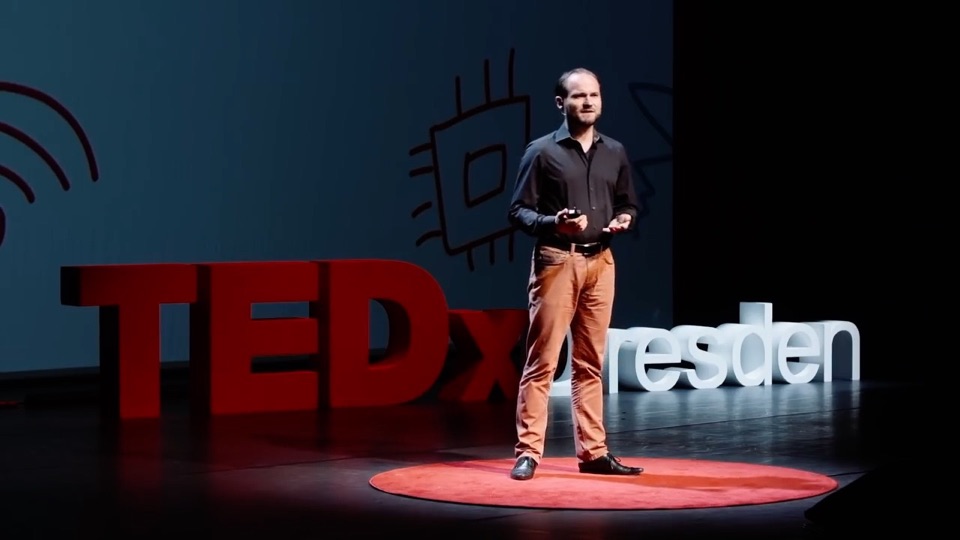
now training humanoids at Vesoma
I study how machines can learn from their own experience: through curiosity, exploration and a feel for physics. I am trying to understand embodied intelligence by building it. Today that means creating self-learning humanoids at Vesoma. Before that, I worked on AI for robotics at DeepMind and wrote my PhD thesis at Oxford on the acquisition of physical intuition by machines.
I work on humanoid robot research at Vesoma. Before that I was a Research Scientist at DeepMind, working on exploration for RL, continuous control and vision-language-action models (VLAs) in the team of Martin Riedmiller.
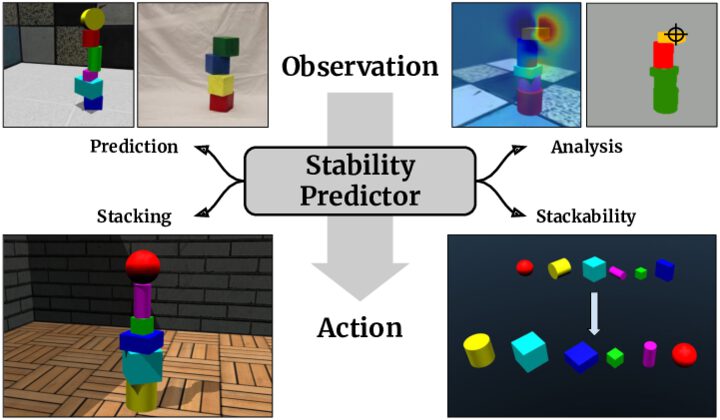
My PhD at Oxford, with Ingmar Posner and Andrea Vedaldi, asked how robots can acquire physical intuition and put it to use. In my TEDx talk I explain why that might teach a robot to play Jenga.
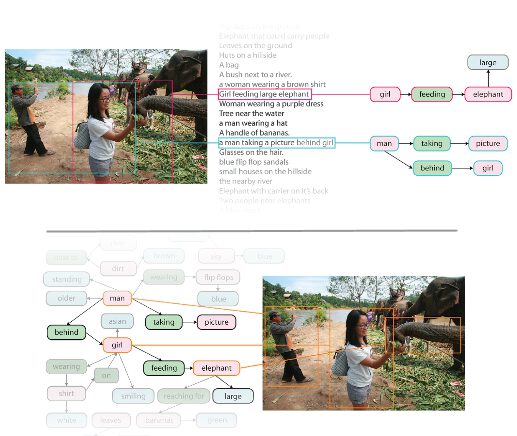
Earlier stops: a Diplom in Computer Science at TU Dresden with Carsten Rother, and the Stanford Vision Lab with Fei-Fei Li, where I worked on VisualGenome.
FEATURED TALK · TEDx DRESDEN 2018

2011 – 2017
Diplom Computer Science

2015 – 2016
Computer vision research

2017 – 2022
PhD in Robotics

JAN 2022 – JUL 2026
AI research

▶ SINCE AUG 2026
Humanoid robot research
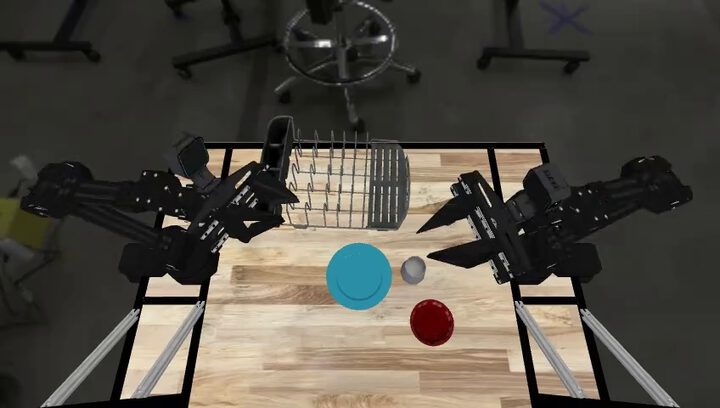
arXiv · 2026
A VLM plans for a VLA to explore new tasks, then imitation and RL finetune it.
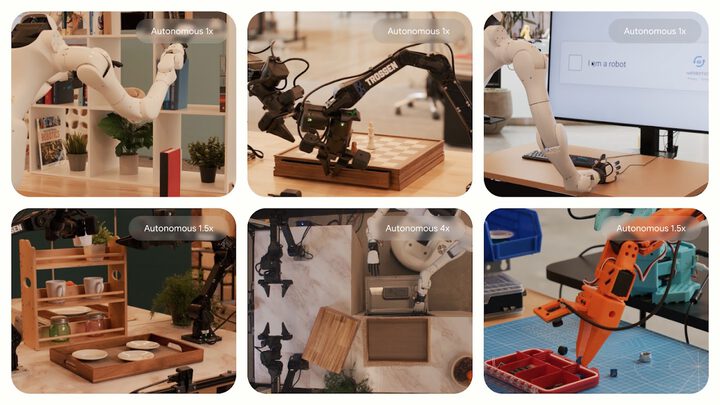
Blog · 2026
Whole-body control, fine dexterity and teamwork for robots of every shape.
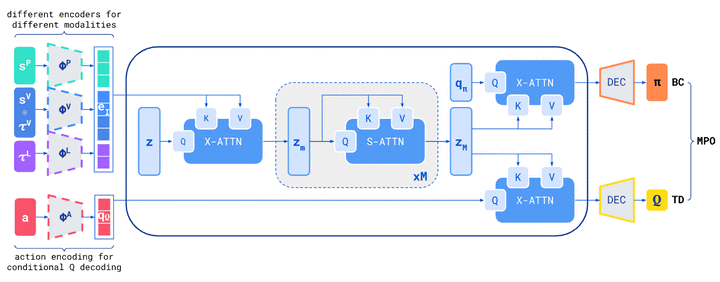
ICML · 2024
Offline RL scales to large transformers and beats behaviour cloning on 132 control tasks.
arXiv · 2021
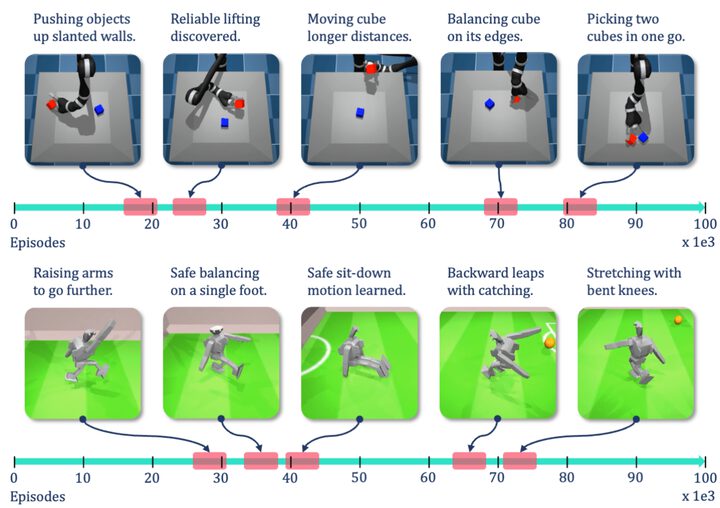
Which useful behaviours emerge when a robot explores purely out of curiosity.
AFTER HOURS
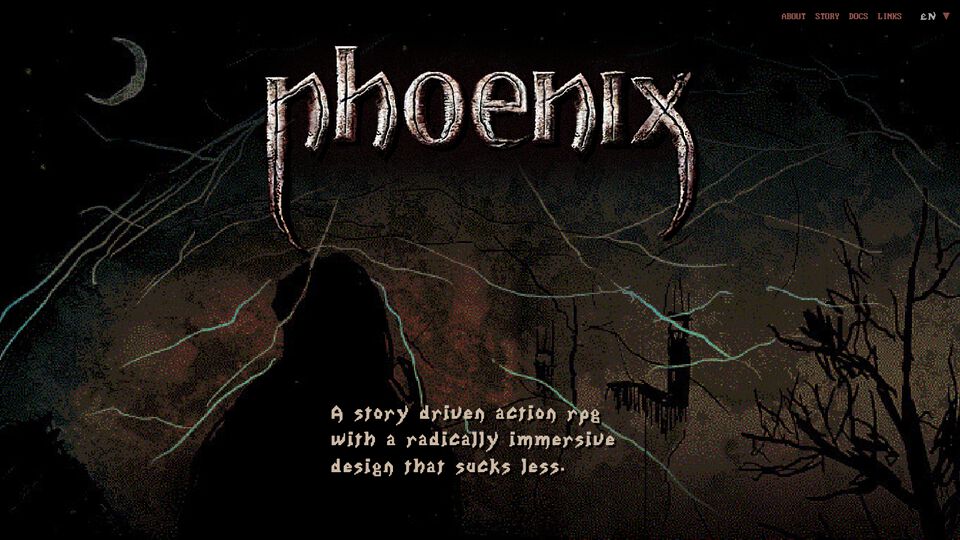
I was part of the indie team PhoenixTales, building the 3D action-RPG Phoenix. Away from the screen: tabletop games, piano, hiking, swimming, skiing and archery.